
How to Access Retirement Funds Early: 4 Possible Ways

If you retire early, you need a solid personal finance plan to have enough funds for everyday living and to complete your retirement goals.

Typically, accessing retirement funds early results in penalties and taxes, but with a few steps, you can learn how to access retirement funds early.

How to Access Retirement Funds Early

Accessing retirement funds early may result in a penalty if you aren’t careful. Fortunately, there are a few simple ways to take money from your retirement accounts without paying penalties.

1. Rule of 55

If you have a 401K or 403b account, you may be able to use the Rule of 55 to escape the 10% early withdrawal penalty. This rule states that if you leave your employer within the year that you turn 55, you can take funds from your 401K or 403b account at your current company penalty-free.

There are Rule of 55 pros and cons because there are many stipulations. For example, for this rule to apply, you must have left your job and be 55 years or older within that year.

This only applies to the current 401K or 403b account. If you know you’ll leave the company and want penalty-free access to other retirement accounts, roll them over to your current 401K, if allowed, before leaving.

To use this rule, your company must allow early withdrawals, and you must follow the company’s rules regarding withdrawal limits. For example, some companies may limit the amount of withdrawals, and others may only allow a lump sum withdrawal.

Keep in mind that you will be responsible for the taxes on your withdrawals. They are only penalty-free distributions, not tax-free.

2. SEPP/72t Withdrawals

The Internal Revenue Code 72t or SEPP allows early withdrawals from your IRA or employer-sponsored retirement account if you take substantially equal periodic payments.

Withdrawals that qualify as SEPP aren’t subject to the 10% early withdrawal penalty. However, there are strict rules they must follow:

  • You must take substantially equal periodic payments annually.
  • You must take the distributions for at least five years or until you hit age 59 1/2, whichever is longer.
  • You must pay applicable taxes for the year you take the distributions.

You can determine your withdrawal amount based on an amortization method that considers your life expectancy.

Use the IRS’s required minimum distribution method, which changes the required distribution amount annually. Or use an annuitization method that uses an annuity factor provided by the IRS based on current interest rates and your age.

3. Roth Conversion Ladder

If you saved most of your retirement funds in a pre-tax retirement account, you can’t access them in most cases until 59 1/2, or you’ll pay the 10% penalty plus taxes. However, funds in a Roth IRA account can be withdrawn penalty-free as long as they’ve been in the account for five years.

If you don’t have adequate (or any) funds in a Roth IRA, you can use the Roth IRA conversion and convert a portion of your traditional IRA to a Roth IRA.

Keep in mind that when you convert funds, you’ll pay taxes at your current tax rate, so it’s best to convert funds periodically versus in one lump sum. The Roth conversion ladder is a method some use.

It means you convert funds based on your expected annual needs in five years. You can withdraw those funds exactly five years from the conversion date without paying the penalty. This should provide a steady stream of retirement income.

4. Pay the 10% Penalty

Of course, you always have the option to withdraw funds and pay the 10% penalty. If you’ve exhausted any of the above options and still need the funds, you can pay the penalty; just try to limit it to as few years as possible.

This method may even make more sense if your taxable income is $0 after deductions and exemptions. This may happen if you’ve already retired and your only income is the money you withdraw.

If you keep the distribution within the standard or itemized deductions you are eligible to receive, you only pay the 10% penalty and no taxes.

Is Withdrawing Retirement Funds Early a Good Idea?

Withdrawing retirement funds early can help supplement your income, especially if you retire early, but it’s not always in your best interest. Talking to your financial advisors is important to ensure you’re not creating financial challenges later in life.

If you create a solid plan to make your retirement savings last throughout your life expectancy, strategically withdrawing funds doesn’t have to hurt your financial future.

However, tapping into your retirement savings just because they’re there and you want something now versus using the funds for living expenses in retirement isn’t the best idea.

Reasons for Accessing Retirement Savings Early

Everyone has different reasons for accessing retirement savings early. Here are a few common reasons:

  • Early retirement: If you stop working before age 59 1/2, you may need access to your retirement savings to have adequate funds for living expenses until retirement age.
  • Hardship: If you experience financial difficulties or an unexpected hardship, such as extensive medical bills, you may need to access your retirement savings early.
  • Education: Higher education expenses increase annually, and sometimes, using IRA funds versus student loans is less expensive. Some expenses may be penalty-free if they meet the IRS requirements.

What Is the Penalty for Early Withdrawal of Retirement Funds?

If you don’t qualify for any of the above methods for early withdrawals, you may be subject to a 10% early withdrawal penalty. This applies to each non-qualified early withdrawal you make. You’ll also be responsible for any income taxes.

Pros and Cons of Early Retirement Fund Withdrawals

Pros

  • You may have options for penalty-free withdrawals.
  • You can supplement your income if you retire early.
  • You may avoid unnecessary interest charges on loans.

Cons

  • It can be hard to qualify for one of the early withdrawal exceptions.
  • You still owe taxes on any withdrawals except Roth account withdrawals.

Alternatives To Accessing Retirement Funds Early

It’s typically best to withdraw from retirement accounts early as a last resort. Here are some alternatives to consider first:

  • 401K loan: You may be eligible to borrow from your 401K. This doesn’t incur penalties or taxes, but you’ll pay interest and must repay the full amount owed within five years.
  • Line of credit: If you have equity in your home, you may borrow against it with a HELOC. They typically have low-interest rates and favorable repayment terms.
  • Personal loan: Financial emergencies sometimes require funds fast, and a personal loan may offer that option. You can receive a lump sum within a day or two after approval in most cases.
  • Part-time job or side hustle: If you can still work (and want to), consider starting a side hustle or finding a part-time job to supplement your income during early retirement, reducing how much you must take from retirement accounts when retiring early.

FAQs

How Much Can I Withdraw From My Retirement Account?

How much you can withdraw from your retirement accounts and how much you should withdraw are two different stories. You can withdraw as much as the account administrator allows.

However, you’ll pay taxes on the amount withdrawn, which can be hefty if you withdraw large amounts.

Ideally, you should take 4% or less of your retirement account balance to ensure your retirement savings lasts throughout your lifetime.

Can I Borrow From My Retirement Plan Instead of Making an Early Withdrawal?

Sometimes, borrowing from your 401K instead of withdrawing funds makes more sense. You avoid the early withdrawal penalty and taxes when you borrow money. Keep in mind, though, that you must repay the amount borrowed with interest.

Can I Avoid the 10% Early Withdrawal Penalty From My IRA for Certain Expenses?

The IRS has certain exceptions for the early withdrawal penalty, including:

  • Birth or adoption expenses.
  • After the death of an IRA owner.
  • Permanent disability.
  • Higher education expenses.
  • First-time home purchase.
  • Terminal illness.
  • Unemployed health insurance.

How Long Does It Take To Get Retirement Money?

After cashing out your 401K or other retirement accounts, receiving the funds can take 7 to 10 business days.

Which Retirement Funds Should I Withdraw First?

Ideally, you should withdraw funds from taxable retirement accounts first. This allows tax-deferred accounts to continue growing without the risk of increasing your tax liability. It also helps lower the amount of taxes owed in your later years.

How Do You Calculate Substantial Equal Periodic Payments for a 72t Distribution?

The simplest method to calculate substantial equal periodic payments for a 72t distribution is to take your account balance and divide it by your life expectancy. You can recalculate this number at the end of each year.

Can I Use the Rule of 55 and Still Work?

You can work another job using the Rule of 55. However, you must keep your 401K with your old employer to continue taking distributions without penalty.

What About Roth IRA Early Withdrawal Penalties?

If you withdraw from your Roth IRA before age 59 1/2 and before your funds have been in there for five years, you’ll pay the same 10% penalty plus applicable taxes.

What Qualifies for a Hardship Withdrawal?

The IRS defines a hardship withdrawal as a withdrawal for a heavy and immediate financial need. Common reasons are medical or funeral expenses; however, each 401K administrator can define hardship for their accounts. Other examples include

  • Immediate and necessary home expenses.
  • Higher education expenses.
  • Payments to avoid foreclosure or eviction.

Do I Need To Show Proof for Hardship Withdrawal?

The IRS does not require employers to provide proof of hardship for withdrawal. However, keeping documentation in case you are audited is always a good idea.

Can I Cash Out My 401K While Still Employed?

You can cash out your 401K from previous employers while employed, but you’ll pay early withdrawal penalties if you are not yet 59 1/2. Your current employer may have rules regarding whether you can cash out your current 401K while still employed.

At What Age Is 401K Withdrawal Tax-Free?

The IRS determines the retirement age to be 59 1/2. Withdrawals made after this age are free from the early withdrawal penalty.

The Bottom Line

Knowing how to access retirement funds early without penalties is crucial to your retirement.

The tax code allows several exceptions to the 10% penalty, but it’s best to consult your tax or financial advisor to determine the best course of action.


3 Best Ways To Build Wealth for High-Earning Engineers

The best ways to build wealth for high-earning engineers aren’t any different than building wealth for employees of any other industry.

The key is consistency, choosing the right investments, and constantly looking for ways to earn passive income.

Importance of Wealth-Building for Engineers With High Income

Highly paid engineers often have more money than they know how to handle. Knowing where to invest money to build wealth and reach your financial goals is key.

There isn’t a once-size-fits-all approach to your wealth-building journey; it depends on your financial goals, risk tolerance, and timeline.

Whether saving for retirement, buying a house, or having an emergency fund, wealth-building for engineers is just as important as it is for people in any other industry.

The Best Ways To Build Wealth for High-Earning Engineers

Like people in any industry, there are many ways to achieve financial security. Given your high salary and a standard financial plan, the methods below are the best ways to build wealth.

1. Qualified Retirement Accounts

No discussion about building wealth would be complete without discussing retirement savings. Everyone must have retirement accounts established, whether employer-sponsored or individually owned; however, qualified retirement accounts are the most advantageous.

What Is a Qualified Retirement Account?

Your employer offers qualified retirement savings accounts to support employees and their families during retirement.

There are several options, and the choices you get are those your employer offers. Most employer-sponsored retirement savings plans allow employer and employee contributions to build wealth faster.

Different Types of Qualified Retirement Account

401(k) Plans

These are the most common retirement accounts. You determine the percentage of your paycheck you want to dedicate to your 401(k), and your employer automatically deducts the amount each payday.

Many employers also match your contributions to a certain percentage of your income, usually 1% to 3%.

403(b) Plans

Non-profit schools, hospitals, and charities offer 403(b) plans, which are the equivalent of 401(k) offered in for-profit companies. Employers defer a predetermined percentage of your paycheck to your retirement savings; some may match your contributions to a certain level.

Savings Incentive Match Plan for Employees (SIMPLE) IRAs

Small employers who have less than 100 employees can offer a SIMPLE IRA, which has fewer requirements than a 401(k), making it easier for employers.

Employees can defer a percentage of their income, and employers can match up to 3% of an employee’s contributions (optional).

Employers can also offer a 2% non-elective contribution for each employee, which guarantees employees at least 2% of their pay saved for retirement annually.

Simplified Employee Pension (SEP) IRAs

Employers of any size who want to support their employees during retirement can set up a SEP IRA and contribute up to 25% of each employee’s income.

Employees do not contribute to the pension plan but are 100% vested from day one.

Profit-Sharing Plans

Employers willing to share some of their profits may add a profit-sharing plan to their retirement offerings. Contributions to a profit-sharing plan are from the employer only, and they are voluntary (not required), so don’t rely on them as your only wealth-building strategy.

Benefits of Contributing to a Retirement Account

Saving for retirement may seem unnecessary if you’re beginning your career, but that’s the best time to start saving money.

Whether or not you’re lucky enough to have an employer-sponsored retirement plan with employer contributions, saving allows the funds to grow, helping you build long-term wealth.

Many retirement accounts also have tax advantages. For example, a traditional 401(k) allows you to defer a percentage of your income for retirement.

This means you don’t pay taxes when you earn the income. Instead, you pay taxes when you withdraw the funds during retirement.

The goal is to be in a lower tax bracket during retirement to reduce the tax burden and keep more money in your pocket.

Strategies To Maximize Contributions and Tax Advantages

Depending on your employer, you may have various retirement account options. Most offer a 401(k) or 403(b), but smaller employers may have other options. No matter the type of account, here are some strategies to save as much money as possible.

Contribute at Least the Employer Match

Determine how much your employer will match and contribute at least that much. This ensures you get the ‘free money’ offered by your employer just for setting money aside for retirement.

Watch Tax Requirements

Determine when you want to save money on taxes and choose your retirement account accordingly. For example, if you want to reduce your tax liabilities now, you could contribute to a traditional 401(k).

However, if you’d rather have tax advantages during retirement, consider a Roth 401(k). Roth accounts have after-tax contributions, but all withdrawals (after retirement) are tax-free.

Increase Contributions When Income Rises

Each time you get a raise, increase your preset contributions to account for the higher income.

Pros and Cons

Pros

  • Potential employer match.
  • Potential tax advantages.
  • Automated savings to build wealth.

Cons

  • Limited investing options.
  • May face vesting schedules.

2. Taxable Brokerage Accounts

After exhausting your employer-sponsored accounts to get an employer match or once you’ve reached the maximum contributions allowed for your account, taxable brokerage accounts are another option.

What Is a Taxable Brokerage Account?

You can own a taxable brokerage account yourself or jointly with a spouse. They are taxable because there aren’t any tax advantages like retirement accounts, so it’s important to watch your tax liabilities from capital gains.

What Can You Do With a Taxable Brokerage Account?

Taxable brokerage accounts allow investments of all types, including stocks, bonds, crypto, forex, and alternative investments.

Each broker offers different investment options, so determine what they offer before choosing a brokerage while also considering the fees they charge.

Benefits of Taxable Brokerage Accounts

Even though taxable brokerage accounts don’t have tax benefits, there are other ways to benefit, including:

  • Easily accessible: Unlike retirement accounts, you can withdraw funds from taxable investments whenever you want. Be sure you understand the tax consequences or potential losses when selling an investment, but you won’t pay any penalties for cashing in on an investment.
  • Diversified portfolio: Retirement accounts only allow options the company offers, which can be limiting. When you choose your own broker, you have more options in the types of investments you choose.
  • Tax loss harvesting: When saving and investing, you can use tax loss harvesting strategies, which means when you sell an asset for profit, you also sell off an investment that’s losing. The losses offset the gains, reducing the taxes owed.
  • More control: You have much more control over taxable accounts versus retirement accounts. You don’t have to follow maximum contribution allowances or minimum distribution requirements. You can also buy and sell investments much easier.

Different Investment Options Within Brokerage Accounts

  • Stocks: Investing in individual companies allows you to earn some of their profits when they do well and experience losses with them when they don’t. The stock market is volatile, but if you stick with it long-term, it usually has a 10%+ rate of return.
  • Bonds: If you want a more conservative investment, government bonds are a great way to build wealth. The interest rate paid on government bonds is much lower than the stock market’s rate of return, but diversifying your portfolio with conservative investments is important.
  • Mutual Funds: If you prefer to invest with others, you can pool your money with hundreds of other investors. This allows the mutual fund manager to purchase stocks, bonds, and alternative investments for each investor to own a fractional portion for investing.
  • Exchange-Traded Funds (ETFs): A less risky way to build wealth with a pool of other investors is ETFs. You pay an ETF manager to invest your funds in a basket of securities that tracks a specific market, most commonly the S&P 500. ETFs are passively managed, so the fees are much lower than mutual fund shares.

Tips on Managing Taxable Brokerage Accounts Effectively

You can manage your taxable brokerage account yourself using a professional advisor or a robo-advisor (aka computer) to manage it for you.

When managing your account, consider these tips:

  • Focus long-term: Don’t get caught up in the emotions of investing. When you invest in an asset, leave the funds for a long period to realize its true rate of return.
  • Find passive income investments: Look for investments that offer passive income, such as dividend stocks. If you reinvest the dividends earned, your earnings grow faster.
  • Diversify: Keep a diversified portfolio with ‘risky’ investments, such as those in the stock market, less volatile investments, such as bonds, and even put money in deposit accounts to earn compound interest.

Pros and Cons

Pros

  • More options for investing.
  • Complete control over your accounts.
  • Ways to get around tax burdens.

Cons

  • Can face higher fees if not sure how to manage accounts.
  • Easier to make emotional decisions and lose money.

3. Real Estate Investment

Real estate is one of the best ways to build wealth. You don’t need to be rich to do it, either. You have options if you’d rather invest only a small portion of your income in real estate.

Advantages of Real Estate as an Investment Option

Real estate is sometimes a hedge against inflation and works opposite the stock market.

You don’t have to worry about the performance of individual companies but, instead, the real estate market as a whole. You can buy real estate outright or invest with other investors, owning a percentage of residential or commercial properties.

Different Types of Real Estate Investments

  • Residential Real Estate: Invest in single-family homes, condos, or townhomes, renting them to tenants and acting as a landlord. You can also purchase residential properties to fix and flip, selling them for a profit after renovating rundown properties.
  • Commercial/Industrial Real Estate: High-earning individuals may be able to afford commercial or industrial properties. Buying properties and renting them out is a great source of passive income and helps diversify your wealth-building strategies.
  • Real Estate Investment Trusts (REITs): If you’d rather not own real estate yourself, REITs are investments in real estate trust companies that purchase commercial real estate and sell shares of their assets to investors. You earn a prorated amount of the earned income from rent plus money from the capital gains.
  • Real Estate Crowdfunding: You can also choose properties to invest in yourself by joining a real estate crowdfunding platform. You pool funds with other investors, either owning a property’s equity or providing the loan (debt).

Factors To Consider When Investing in Real Estate

Investing in real estate has its risks, of course. As we’ve all seen, the market isn’t predictable, so there is a chance of loss.

The key is to understand the market, research the locations, and determine the best areas to achieve your real estate goals. This includes buying and holding to rent to tenants, fixing and selling, or purchasing commercial property.

Pros and Cons

Pros

  • Not tied to the stock market.
  • Great hedge against inflation.
  • Can leverage investment with financing.

Cons

  • You can’t predict how the market will perform.
  • It can require large investments.

Is It Possible To Combine Multiple Methods for Optimal Wealth-Building?

The best way to build wealth means mixing and matching your wealth-building plan. Sticking to one opportunity puts all your eggs in one basket.

Instead, you must diversify to set up a solid foundation, which means putting your money in various investments.

This will make a big difference if and when the markets take a nosedive. If you have all your money in one investment, you lose everything.

However, if you diversify your investments, you may offset some losses with gains in other areas.

When Should I Consider Consulting a Certified Financial Planner for Wealth-Building Advice?

When creating a wealth-building strategy, consulting a certified financial planner is always a good idea. Financial experts can ensure you choose the right ways to grow your wealth.

You may learn about opportunities you didn’t know existed or learn how to diversify your portfolio best to maximize earnings and minimize tax liabilities.

FAQs

When Is the Right Time To Start Investing as an Engineer for Accumulating Wealth?

Engineers should start investing as soon as possible. The younger you are when you invest, the more time the money has to grow.

Even if you think you don’t have much net worth right now, it will grow, but you must take that first step.

What Is the Fastest Way To Build Wealth for High-Earning Engineers?

There isn’t a one-size-fits-all approach to building wealth for high-earning engineers. The key is to choose a method that fits your risk tolerance and helps you meet your financial goals.

For some, this may mean aggressively investing in the stock market; for others, it may mean more conservative investments in bonds and deposit accounts.

How Can High-Earning Engineers Balance Risk and Reward in Their Wealth-Building Approach?

Diversification is the key to balancing risk and reward. You need aggressive and conservative investments for higher earnings to offset the risk.

So even though the interest rate paid by a high-yield savings account may not sound like much, it’s a ‘sure thing’ and can offset the riskier stock market investments.

Can I Achieve Financial Independence Through Wealth-Building as a High-Earning Engineer?

It is possible to achieve financial independence by wealth building.

The key is to get out of high-interest debt and create a budget that meets your basic needs while allowing you to save and invest enough money to reach your financial goals.

The Bottom Line

Knowing the best ways to build wealth as a high-earning engineer is the first step to reaching your financial goals.

Next is putting it all together, which is best done with a financial expert. If you’re ready to turn your financial life around and build wealth, contact us for your Free consultation today.

The Advisor Series Part 2: Conflicts of Interest and Other Issues

First – what is a conflict of interest? Investopedia describes it as “A situation in which an entity or individual becomes unreliable because of a clash between personal (or self-serving) interests and professional duties or responsibilities.”

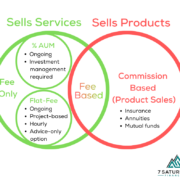
The Advisor Series Part 1: Fee-based, Flat-fee, Fee-only… What the F?

How are you supposed to figure out who to trust with your life savings?

My goal is to shine a light behind the curtain and arm you with information.

This set of articles, “The Advisor Series”, will help you understand the basics of pricing models, typical services provided, issues like conflicts of interest, and questions you should ask when deciding to work with a financial advisor/planner.